hvac air conditioner leaking water
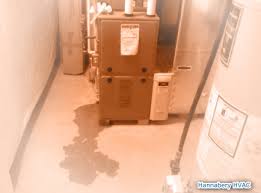
Under no circumstances should you ever see water around the indoor unit. This is a sign that something is either dripping, leaking, or not draining. But don't panic, sometimes it can be a very minor problem. In the cooling mode, the indoor evaporator coil and the suction line (the large copper refrigerant line in black insulation) sweats. That is part of the purpose of the black insulation (armaflex), to keep the condensation from dripping. Sometimes if the insulation is missing or if it has open seems, it can cause dripping and obviously this is an easy fix. All armaflex joints should be butted-up tight and well taped. The evaporator produces a lot of condensation (water) during the summer, which runs down the coil into a pan, then out to the drain. The drain goes either into the ground, outside the house, or into a condensate pump. Then in turn, the pump takes the water either outside the house or into a plumbing drain. If the coil is dirty, then the water, instead of running down the coil, will hit the dirt, then drip onto the floor.
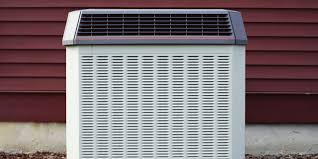
This is one reason why the coil should be cleaned annually, not to mention for efficiency reasons. Now if the coil is dirty, the water will mix with the dirt and the dirt will end up in the pan, and it will end up in the drain, the drain trap, and anywhere else it can cause a problem. The bottom of the trap is the most common source of a clog and it can be cleaned out with a long flexible cleaning brush and flushing water down the cleanout cap. Keep in mind, it doesn't take much dirt to clog a drain. And if your unit is in an attic or a finished basement, this can cause terrible damage. This is another reason why it is important to always have a good, clean, properly sized air filter, along with having annual inspections. Sometimes the indoor coil can actually ice-up. And when the ice eventually melts, it drips onto the floor. Like water, you should never see ice anywhere on your system during the cooling season. Indoor water problems aren't only during the summer. Many of today's high efficiency furnaces produce condensate as well.

They also have to drain the water. There are many parts in the furnace that can leak, drip, or crack, causing a water leak. And along with the furnace comes the central humidifier, which can also be a source for leaks. Furnaces and humidifiers need to be cleaned and serviced annually. So keep your eyes open... If you see water, try to trace where it is coming from.
carrier ac unit not turning onSometimes it's a simple fix - sometimes not.
mitsubishi mr slim air conditioning unit Blocked condensate pan, trap, or drain
ac units for semis Indoor coil frozen due to malfunction, causing melting ice to drip Dirty or faulty evaporator coil Cracked condensate pan, bad gasket Broken fittings or pipe, unglued joints

Dry-rotted, cracked or kinked furnace tubing or condensate parts Humidifier over-filling or leaking Suction line missing armaflex (insulation) Drain line moved, not pitched downward Floor drain clogged with dirtNearly 90 percent of all central-air service calls are related to leaks. Although these leaks tend to be relatively small, if left unchecked they can cause a tremendous amount of damage, especially if the air handler is installed above a ceiling and can drip downward. But most homeowners don't realize that a vast majority of leaks can be easily repaired without calling a service technician.There are main reasons a central A/C system leaks. First, there's a crack or hole in overflow drain pan. Second, the air filter is clogged with dirt. Third, the condensate line is plugged up.The first cause—the overflow pan—is easily detectable by simply using a flashlight. The pan is a piece of equipment that catches any condensation from the A/C unit; if you're noticing a leak, carefully inspect the overflow pan for damage.
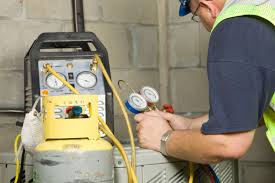
Check each corner, along the outside edges, and, of course, directly above the wettest spot. Small holes and cracks can be patched with epoxy glue, but it's usually best to replace a damaged overflow pan.The second culprit—a clogged filter— can be avoided by changing the A/C unit's air filter on a regular basis. Most filters are designed to be used for one or two months, but you should inspect the filter every month during the cooling season. If the filter appears dirty, replace it immediately. A dirty filter will cause ice to form on the unit's evaporator coils, and when that ice melts, it drips water.The third reason—a stopped-up condensate line—is the most common cause of A/C leaks. The condensate line drains condensation from the overflow pan to the outside or directly into a drainpipe. When the line is clogged, water backs up and floods the overflow pan. Another reason to keep the condensate line clear is that most modern A/C units are equipped with a water-overflow cutoff switch, which automatically shuts down the A/C system if it detects a clogged condensate line.

The switch helps prevent water damage, which is good, but most homeowners don't know why their air-conditioning system suddenly shuts down and they call a service technician.There are a couple different ways to clear a clogged condensate line, including using a wet/dry vacuum to suck out the clog. But my favorite method is to use a product called Mighty Pump. It's a powerful hand pump that can be used to suck or blow lines clear. Invented by Stuart Oakner, a licensed air-conditioning contractor with more than 30 years experience, the Mighty Pump is available online for about $60.Still, don't wait for the condensate line to become clogged. You can avoid costly damage and expensive service calls by regularly clearing it out. And once the line is clear, you can help prevent the accumulation of slime, algae, mildew, and bacteria by pouring a little chlorine bleach down the line once every four to six months.What is causing your AC System to Leak Water?Why does water sometimes leak from air conditioning systems?

This is a question many homeowners have asked themselves because it is a very common problem. It’s actually one of the most common reasons homeowners need urgent repairs. Having water leak into your walls or ceiling can be a scary experience and it’s an issue that needs to be fixed quickly.Fortunately, repairing water leakage isn’t too hard for a trained technician. Learn what the common causes of AC water leakage are and what most likely needs to be done to repair the system below.Clogged or Disconnected Drain LineA clogged condensate drainpipe can make your AC system’s drain pan overflow. This is probably the most frequent cause of water leakage from a central AC system, especially as summer temperatures rise. The clog can be caused by debris like dirt, rust or algae.The drainpipe could also be disconnected. If an AC system is improperly installed, drainpipe fittings may not be secure. Over time the pipe can loosen and eventually disconnect from the AC unit, allowing the condensate to drain through the ceiling, walls or onto the floor.
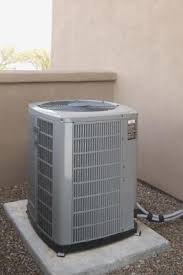
Drain Pan Position or CracksThe evaporator coil inside your AC system collects condensation from the cooling process. As warm and humid air passes through, the inside coil loses some of its moisture. This moisture then drips into a drain pan that has to be angled correctly so water can drain properly. It’s similar to why bathtubs are positioned at a slope so all the water can fall into the drain. If this is the case, a technician may only need to reposition the drain pan to create a more efficient slope.In some cases, however, the pan may require replacement. Cracks can form in it over time, which leads to leakage.Other potential causes of AC water leakage include: – Condensate pump problems – Clogged air filter – Condensate buildup in un-insulated ductwork – Low refrigerantHow to Avoid Water Leakage DamageThese tips will reduce the likelihood of AC water leakage: – Make sure your central AC system has a secondary drain line – Install a drain pan overflow shut off switch – Clean or change your HVAC air filter regularly – Make sure ductwork is properly insulated – Have your AC refrigerant levels checked regularly – Keep your condensate pump free