how to pick the right size ac unit
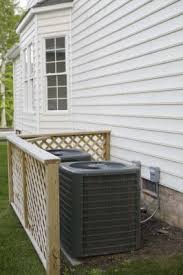
Around 80% of new homes built in the United States are equipped with a central air conditioning unit. In addition, many homeowners are installing central a/c in older homes, or replacing their older air conditioning units. As a result, the prevalence and sales of central air conditioning systems is very high. Why is Central Air So Popular? Central air conditioning is the most efficient way to get cool air flow to multiple rooms in a home. Window-mounted units are economical when the intent is to cool a single small space or room, but when looking to cool an entire home, central air conditioning is the most feasible. Central air is also quieter than window mounted air conditioners. Different Types to Consider When installing a central a/c system, the entire unit can be installed outside the home, or it can be a split device where the condenser and compressor are installed outdoors and the evaporator or blower is located inside on the furnace. The latter is the most economical.
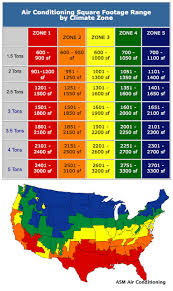
With this configuration, the furnace’s blower delivers the cooled air to your rooms through the furnace’s air duct system. If a home doesn’t have ducts, a separate blower can be installed to distribute the cooled air. Proper “Sizing” is Critical When determining the size of air conditioner your home requires, remember that bigger is not always better. In fact, an air conditioner that is too big or too small can use excessive amounts of energy, run loudly and break down prematurely. Factors of your home that need to be taken into account to properly “size” your air conditioner include: Quality of insulation and air sealing Window size, number, type and direction Beware of Sizing by Rule of Thumb Sizing of your air conditioner should be done by an experienced professional. Proper sizing requires taking several measurements in the home which are used, along with the features listed above, to determine the appropriate size needed. Beware of any contractor who uses a simple rule of thumb such as square footage to determine the size.
Find a RESNET Qualified ENERGYSMART Contractor. Start With an Energy Audit Before installing an air conditioning system, it is a good idea to have a home energy audit to assess the quality of your insulation and air sealing, and to test your ductwork for leaks. By taking remedial actions you will save energy by making your home more energy efficient, and potentially save even more money by requiring a smaller, less expensive air conditioning system. Find a RESNET Certified Energy Auditor Vast Majority of U.S. Homes Are Under Insulated It’s hard to believe but 90% of existing American homes are under insulated. That means 90% of existing American homes are... How to Warm Your Home Without a Heater Now that we’re in the middle of winter, don’t panic if your heater breaks down! Believe it or not, there are a number of... Don’t Let A High Energy Bill Haunt Your Halloween! It’s that time of year again when ghosts, ghouls and goblins emerge from their dark recesses to stalk the earth, but they...
How to choose the right Air Conditioning Unit When the summer comes on, you may want to already have an air conditioning unit installed and ready to go. It’s hard to tolerate the hot humid temperatures these days. You could shop and install an air conditioning unit yourself or you can find someone who specializes in air conditioning in Natick, MA to install the unit for you.
how to charge home ac unitThe choice is right for you will depend on how confident you are in your ability to either purchase the unit or install it accordingly.
home ac unit fan keeps runningIf you don’t install the unit correctly, you may find that you are left in the hot heat anyway.
air conditioner units in wall Installing an air conditioning unit doesn’t take a certification in HVAC Marlborough, MA but you may want to consider the benefits of hiring a certified HVAC installer in order to have the unit working the way that it should work once it is hooked up correctly.
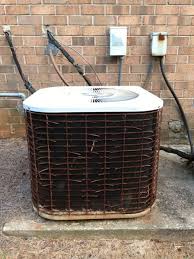
If you don’t take an extra step to hire someone certified, you may find yourself without any type of air conditioning unit that works or a power shortage due to the wrong wiring job you did. Air conditioning units sometimes come with a heating unit as well. When you purchase one of these dual units, you will find that they are a little more complicated to hook up. If you want to hire someone who is certified in installing air conditioning in Natick, MA you need to make sure that they are certified in heating system installation as well. Once your air conditioning unit is installed, you also want to hire someone certified in HVAC in Marlborough, MA to be able to come out and service the unit. Regular maintenance will keep the unit working for many years before you need to consider placing it. If you have your heating and cooling combined, ask someone with experience in air conditioning in Natick, MA to assist you in choosing the right one for your home. Before you inquire about a unit, know what size room you will need the air conditioning and heating unit to furnish.

Most of them would like to visit your location to see the size and placement of the unit before it is installed. And that works better too. Your unit, once installed correctly, will keep your home cool in the summer and warm in the winter. It should never require too much from you besides turning a knob or pushing a button to set the temperature to a comfortable setting for you. When it’s time to service the unit, they will change the filter and make sure that the motor is running smoothly and if not, they can make any adjustments necessary. As it draws in dust and grime over a period of time, get the unit serviced and cleaned to lower your utility bills and enjoy uninterrupted services all through the year. Mon-Fri 7am – 5pm Sat 8am – 12pmSummer or winter, heating or cooling, large home or small – here’s a simple guide to choosing the perfect air conditioner for your needs. Choose well and you can save money, help the environment and enjoy year-round comfort.

The first thing to consider is whether you want your air conditioner to also heat your home. Although you can buy an air conditioner with the sole function to cool, these days many systems serve a dual purpose – they heat when it’s cold and cool when it’s hot. These reverse-cycle systems can be cheaper than throwing heaps of money at two separate units and can help keep your heating and cooling costs down. Do you want your air conditioner to also heat your home? Read more: Keeping cool the Australian way The second thing to consider is the amount of space you need to heat and cool. Is it a small bedroom, a large open-plan living room or a whole house? The size of the area you want to heat or cool will give you an idea of the system size you need. It’s important to get this right – a system that’s too powerful will be inefficient (and costly), while a system that’s too small for your needs will be placed under a high degree of stress. If you want to cool multiple rooms, do you want to be able to set different temperatures in different spaces?
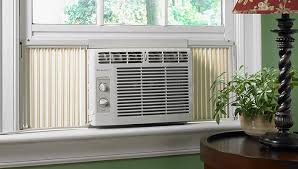
If so, you may want to consider buying a system with zoning. Next, have a think about where you are located. Do you live in a tropical, humid location up north, or are you in a cooler place down south? Conditions in your area will affect which type of system is best – for example, evaporative cooling systems are much less effective in humid weather. Do you live in a humid location up north, or in a cooler place down south? It’s also important to check that the system’s temperature range is appropriate for the weather in your location, particularly if you experience extreme conditions. There’s no point buying a system that only operates up to 42 degrees if the weather can be hotter than this. Once you’ve worked out the type and size of system that’s perfect for you home, ask some specific questions to narrow down your choice. How many energy-rating stars does the system boast? Finally, how many energy-rating stars does the system boast? As far as Mother Nature – and your power bill – is concerned, the more, the better, as a more efficient system will use less energy to cool your house.