ac unit sizing calculator
Household Tips and Resources Rebates through Hawaii Energy Calculate Appliance Operating Costs Energy Saving for Businesses RFP - Grid Services Demand Side It's very important that you select the right sized unit for your home. An undersized unit will not have the ability to effectively handle the heat in your room, causing the unit to overwork and not perform optimally. On the other hand, an oversized unit can cool a room quickly, but can create a "cold and clammy" feel due to the humidity levels that aren't lowered properly. We have provided a quick and easy guide to selecting a proper-sized air conditioner to fit your needs. 1. Compute the Area of the Room: Assumes an 8-foot ceiling. (Use Tab key to advance to the next field) 2. Select your Air Conditioning Needs: In what environment will you be using your air conditioner? Low Heat or Night Time Only - windows/exterior walls mostly shaded from direct sunlight, well-insulated construction.
Good figure for bedrooms or apartments in well-constructed high-rise buildings. Normal Conditions - windows/exterior walls moderately (50-70%) exposed to direct sunlight, ceiling with attic space above. High Heat or Direct Sunlight - large window and wall area exposed to direct sunlight, heavy afternoon sun, and open beam ceilings. (Use your mouse to select the appropriate choice) Low Heat or Night Time Only High Heat or Direct Sunlight Consider an Air Conditioner with a BTU rating within the range to Note: Add 4,000 BTUs if the area includes a kitchen 3. Compute the Monthly Usage Hours: How much will this unit cost to operate? The Energy Efficiency Ratio, or EER rating, tells you how efficient the appliance is in energy consumption. The higher the number rating, the more energy-efficient it is. Here is an example of how much it would cost to run your selected unit if it had an 8, 10, or 11 EER rating: Estimate length the A/C will be on:

4. Select Service Area for Monthly Energy Cost by EER: For other service areas, specify cents per kWh Your Energy Cost should be between: * EER value for box A can be changed to illustrate costs of Air Conditioners with other EER ratings. ** Default cost per kWh is based on the average residential rates for customers on Oahu and Maui Island, as of July 2008. Sizing of a room air conditioner depends on many factors, such as area of room, ceiling height, number of occupants, insulation and type of construction. We recommend you consult with the sales person at the showroom you visit to be sure that the size selected will meet your individual requirements.If you’re looking for a new air conditioner for your Sarasota-area home, you may be wondering what size air conditioner you need. If you’re looking for a new air conditioner for your Sarasota-area home, you may be wondering what size air conditioner you need. Hopefully you already know the dangers of getting an AC that is too small or too big.
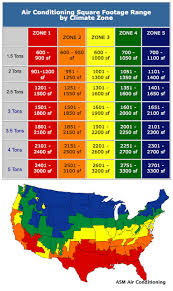
When it comes down to it, you need a professional to help you find the size air conditioner you need. Here’s how we calculate what size you need. Air conditioner sizes are measured in tons and range from 1 ton to 5 tons.
best mini split air conditioning unitsThe higher the tonnage, the bigger the air conditioner and the more cooling power it has.
ac units for tent But again, bigger isn’t always better.
ac unit bracketYou want the air conditioner that’s right for your home. That’s where a heat load calculation comes into play. A heat load calculation is an algorithm that helps us figure out the amount of cooling your home needs. It takes into account several factors that are unique to your home. To help you better understand why this calculation is important, let’s take a look at some of the factors that go into it.
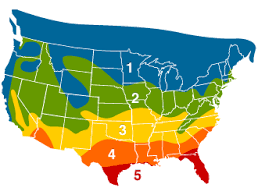
Here are a few of them: All of these factors influence what is called heat gain. Heat gain is the rate at which your home gains heat. That is, the rate heat makes its way back into your home. This matters for air conditioning size because the faster heat infiltrates your home, the bigger your air conditioner needs to be in order to keep up. Like we said, you need to get an air conditioning company to do the calculation for you. The good ones do this as part of an estimate. (And you should run away from the ones that only give you a rule of thumb estimate and never do the calculation). Professional air conditioning companies know what they’re doing and what to look for, and have specialized software to help them quickly do the calculation. If you want to do it yourself, there are some online heat load calculation tools you can use. But be forewarned: this is a tedious and long process! Give yourself some time to complete it. Need a reputable company to help you figure out the perfect air conditioner for your home?